

Commission Portrait Artist Robert Maniscalco
Renowned Gallery Artist & Portrait Artist – Robert Maniscalco
It’s Art to Believe
We invite you to explore this website as a creative resource. Whether you are looking for one of America’s top legacy portrait artists, want to deepen your art collection with a top Charleston Artist or simply want to learn how to draw and paint from a master. Pull up a chair, you’re home now.
313-689-2993
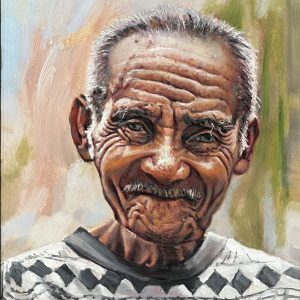
Robert Maniscalco is a top portrait artist in Charleston, South Carolina, Michigan and across North America. Enjoy the legacy portraits of one of America’s best portrait artists, presented here by Subject.
Men
Women
Children
Judicial Portraits
Pastel and Charcoal
Families and Groups
Pets and Animals
Other Custom Art
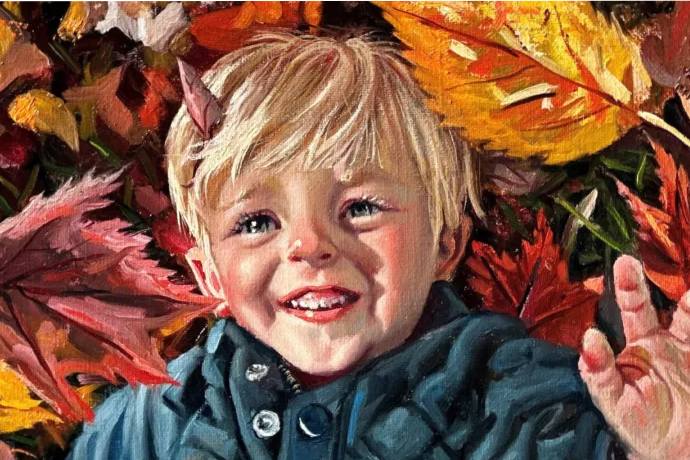
Robert Maniscalco is a nationally renowned, award-winning, Charleston-based multidisciplinary creative. He’s recognized as a top Portrait Artist in the Southeast, and his work as a top commission portrait painter honors achievement, preserves legacy, and celebrates the people who shape our families, communities and institutions.
You don’t need a degree in fine art to surround yourself with beautiful, meaningful and authentic gallery fine ARTWORKS that grow in value over time. Robert is a survivor of CSA and his art has always been a matter of what he calls surTHRIVAL. He has achieved so much, not only as a portrait artist, but also as a best-selling author and a recognized arts authority, with extensive media coverage. He is available as a motivational speaker.
“I have made it my mission to share my surTHRIVAL story through my painting, writing, theatre, music and teaching. When an artist appears to leave his ‘lane’ it can sometimes baffle his followers. But for me, music, theatre and the visual arts are all derived from the same creative fount.” rm
Robert Maniscalco In The Media
Online Gallery
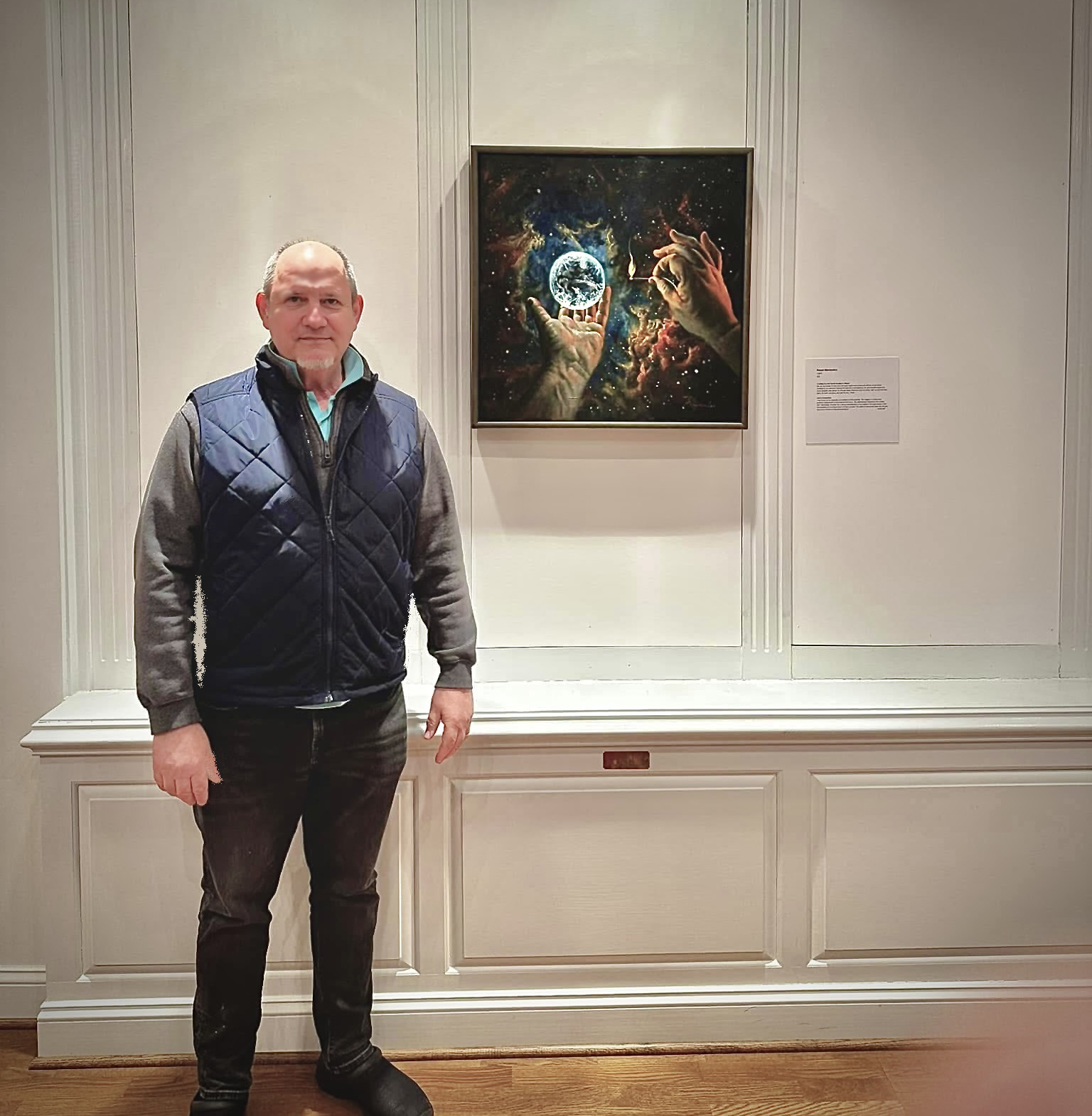
Favorite Subjects
Landscape
Still Life
Narrative
Spiritual (The Quench Project)
Portrait Painter (Non-Commission)
Fantasy (NETI)
LEARN FROM A MASTER
Put Robert Maniscalco’s 45+ years of experience to work for you. Robert’s focus is on method and process, not technical tricks, although he has plenty of those to share, as well! Based on the Frank Reilly Method, Robert has adapted this amazing painting system to the needs of the modern realist. Learn the secrets of value-based, “light on form” painting methods to create expressive, colorful, accurate professional level portraits and fine art. There are a number of ways to study with Robert, online coaching, private instruction. regular weekly small group classes and occasional two and three day portrait painting workshops.
Robert has produced numerous books and DVDs to aid students at every level to make the transition all the way to professional artist. His latest Amazon Best Selling book, The Power of Positive Painting, has received great reviews. In addition, he has created lots of free or inexpensive instructional content, available here.

Testimonials
Absolutely Dug His Style
I met Rob Maniscalco first when his paintings were featured at a local gallery in West Ashley and absolutely dug his style. At the same time both realistic and surreal in a way I cannot quite beg, his paintings breathe life that isn’t exactly life. Like the impressionistic ghost of an image with colors more popping than the eye perceives, that’s his art. On top of that, he’s involved with some really cool projects and is all around a great guy. Whenever I see him, he’s been incredibly kind and funny and a bit goofy. He supports arts in Charleston 100%, so I find that very cool. He’s interested not only with sharing his work but uplifting the artistic visions/voices of others. I dig that. That being said, my favorite work is his portraits. Something he captures in the human expression speaks to me.

What is talent? ...
Do check out this podcast. There may be just what you need to hear right now. ...
...
This content isn't available right now
When this happens, it's usually because the owner only shared it with a small group of people, changed who can see it or it's been deleted.How Creativity Turns Pain Into Purpose and Beauty l The Flow with Bob Martin ...